


From Strengths to Strengths
Event Objective
The Business Leaders Alumni Club (BLAC) Appreciation Event was designed to help business leaders navigate change in an increasingly fast-moving world shaped by technology and AI. The event focused on leadership reinvention, self-awareness, adaptability, and personal growth. Participants were encouraged to reflect on their current leadership approaches, let go of outdated mindsets, embrace uncertainty, and develop new perspectives for future growth. Through interactive discussions and self-reflection exercises, leaders explored how to strengthen human qualities such as judgement, creativity, resilience, and strategic thinking while adapting to change.
Letting Go and Moving Forward
The first part of the event focused on the importance of letting go. Leaders were encouraged to release stress, past failures, unhealthy attachments, outdated business approaches, and even relationships or habits that no longer serve their growth. Holding onto the past can slow progress and prevent leaders from adapting to new opportunities. The session emphasized that growth often begins when individuals stop focusing on what weighs them down and instead redirect their energy toward the future. Letting go creates space for clearer thinking, better decisions, and personal renewal.
Establishing New Beginnings
The second part explored the excitement of starting new chapters. This phase encourages curiosity, creativity, and openness to trying new things. Participants learned that new beginnings are often energizing because they allow people to rediscover passion, experiment with fresh ideas, and step outside familiar routines. During this stage, time often feels like it passes quickly because individuals become deeply engaged in learning and exploring. The session highlighted the importance of embracing uncertainty as part of innovation and leadership growth.
Self-Awareness and the Saboteur Assessment
A major part of the workshop focused on self-awareness through the Positive Intelligence Saboteur Assessment. Participants explored how internal thought patterns and behaviours can either support or limit leadership effectiveness during times of change. The workshop explained that these “saboteurs” are often strengths that become weaknesses when overused.
The assessment introduced nine common saboteurs that can affect leadership and decision-making:
- The Judge
Constantly criticizes oneself, others, or situations, creating stress and negativity. - The Controller
Wants everything done a certain way and struggles to trust others or delegate effectively. - The Hyper-Achiever
Ties self-worth to success and accomplishments, often leading to burnout. - The Pleaser
Prioritizes others’ approval over difficult but necessary leadership decisions. - The Stickler
Focuses excessively on perfection and details, slowing progress and innovation. - The Hyper-Vigilant
Constantly worries about risks and problems, creating anxiety and fear-based leadership. - The Restless
Continuously seeks the next challenge and struggles to remain present or satisfied. - The Avoider
Avoids conflict, difficult conversations, or uncomfortable decisions. - The Victim
Feels powerless during challenges and focuses too heavily on obstacles or setbacks.
The session emphasized that these traits are not entirely negative. Many of them originate from genuine strengths such as ambition, discipline, care for others, caution, or high standards. However, when used excessively, they can limit leadership effectiveness, strain relationships, and reduce adaptability. Leaders were encouraged to recognize these patterns, balance them, and develop healthier responses during periods of change.
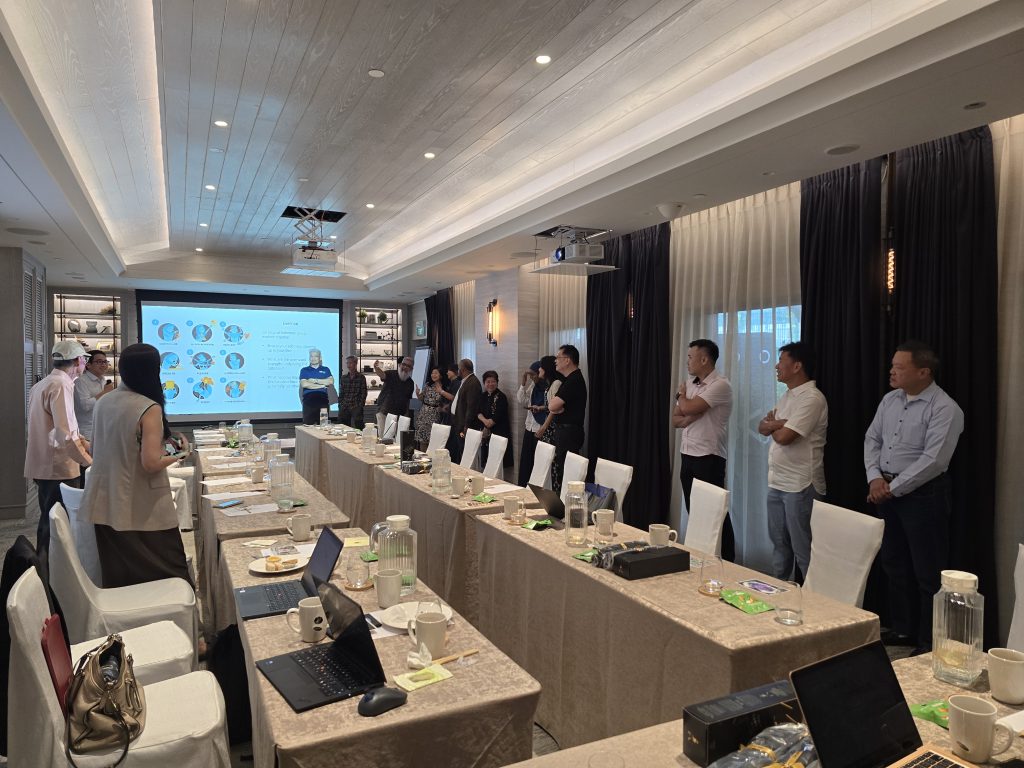
Growth and Reflection
The final part of the event focused on growth and reflection. The concept was compared to an empty parking lot filled with open space, representing opportunity and potential. Leaders were encouraged to slow down and reflect on their journey, including both successes and mistakes. Reflection allows individuals to understand what worked, what needs improvement, and where they want to grow next. This phase highlighted the importance of continuous learning, self-development, and creating room for future possibilities. Rather than fearing uncertainty, leaders were encouraged to see it as space for reinvention and long-term growth.
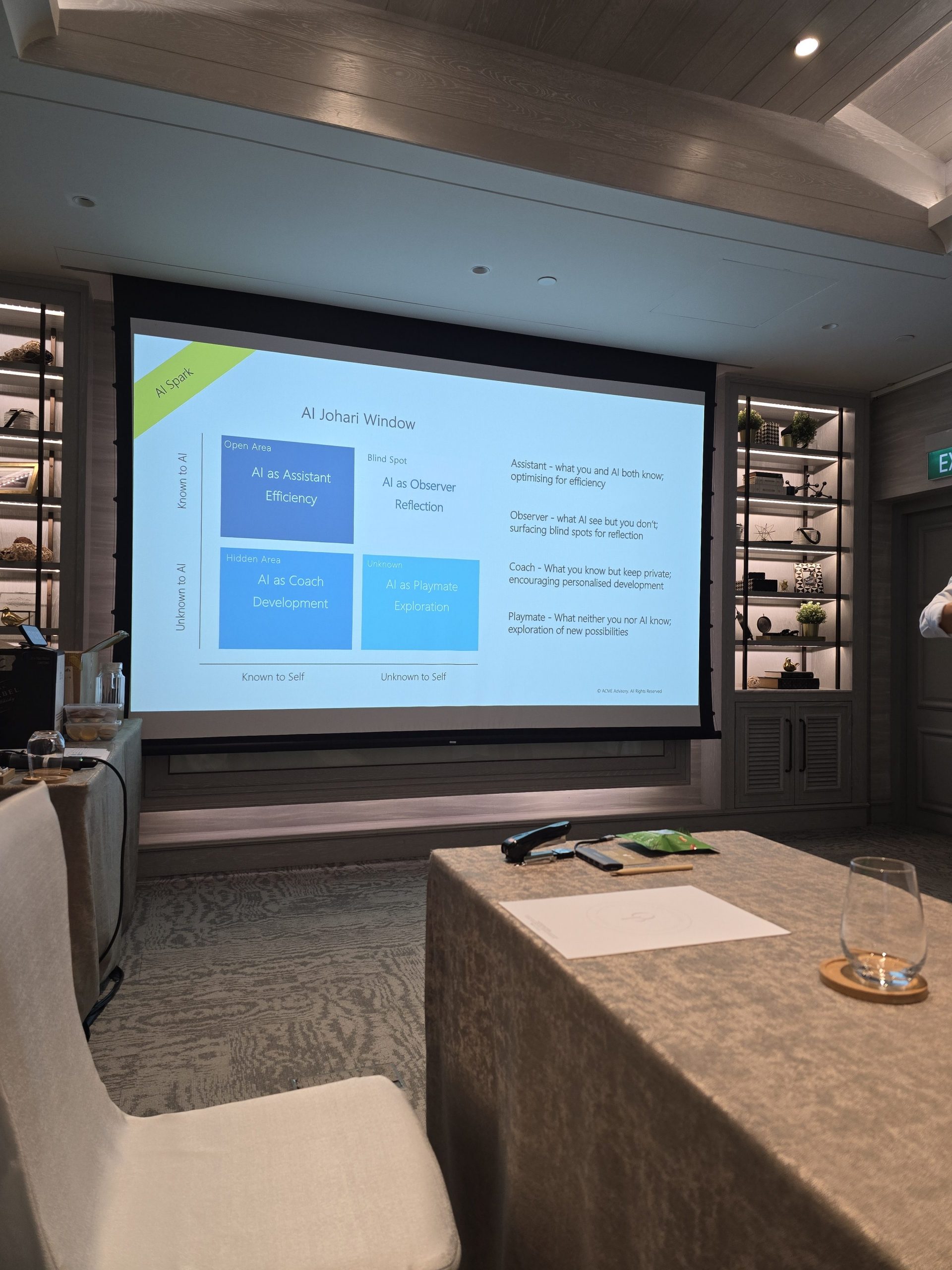
AI Johari Window
Another key part of the event focused on how business leaders can integrate AI into both their operations and daily decision-making. The session emphasized that AI should not be viewed as a replacement for human leadership, but as a tool that can enhance productivity, creativity, reflection, and strategic thinking. Participants explored four different ways AI can support leaders depending on what is known or unknown to both the individual and the AI.
Connect with us on social media: